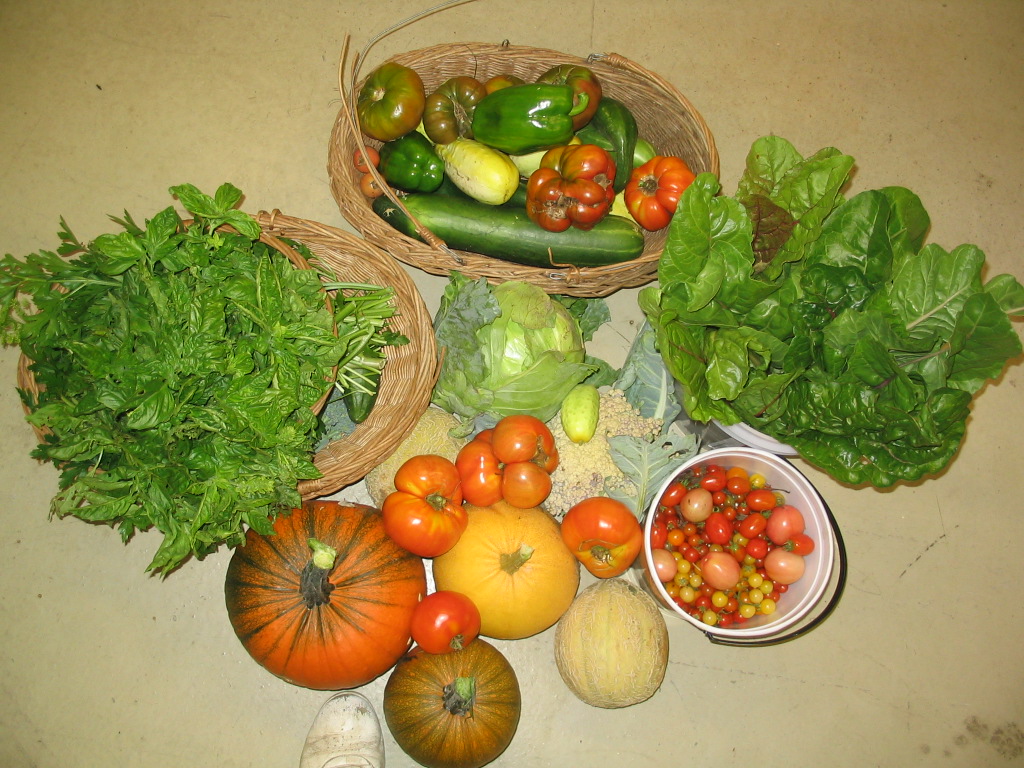
What you eat is the single most controllable factor in your health. Not genetics. Not environment. Not luck. The food you put into your body every day determines the raw materials available for building, repairing, and maintaining every cell, tissue, and organ you have.
This isn’t about dieting. It’s about understanding.
The Problem with Sugar
If there is one nutritional change that produces the most dramatic improvement in the most people, it is reducing sugar. Sugar feeds candida and other undesirable organisms in the gut. It promotes inflammation throughout the body. It depletes minerals. It disrupts blood sugar regulation. It weakens immune function.
The average American consumes far more sugar than the body was designed to handle — not just from obvious sources like soda and candy, but from bread, pasta sauce, yogurt, granola bars, and nearly every processed food on the shelf.
Reducing sugar doesn’t have to be all-or-nothing. Even modest reductions can produce noticeable improvements in energy, mental clarity, digestive comfort, and skin health.
Whole Foods, Simply Prepared
The foundation of good nutrition is simple: eat whole foods that are as close to their natural state as possible.
- Fruits and vegetables — The more variety and color, the broader the nutrient profile. Aim for abundance, not restriction.
- Leafy greens — Among the most nutrient-dense foods available. Chlorophyll-rich greens support detoxification, blood health, and energy.
- Nuts, seeds, and healthy fats — Walnuts, flaxseed, hemp seed, avocado, olive oil — these provide essential fatty acids the body cannot manufacture on its own.
- Fermented foods — Sauerkraut, kimchi, kefir, miso — these provide natural probiotics that support gut health.
- Sprouts — Extraordinarily nutrient-dense. Sprouted seeds, beans, and grains contain enzymes and nutrients in their most bioavailable form.
Green Smoothies
One of the simplest ways to dramatically increase your nutrition is through green smoothies — a blend of leafy greens, fruit, and water. They’re easy to make, easy to digest, and pack an extraordinary nutrient density into a single glass.
A basic starting recipe:
- 2 cups leafy greens (spinach, kale, romaine, or mixed)
- 1–2 cups fruit (banana, berries, mango — whatever you enjoy)
- 1 cup water or coconut water
- Blend until smooth
Start with milder greens like spinach and increase the ratio of greens to fruit as your palate adjusts. Many people are surprised how quickly they begin to crave them.
Wild Edibles
Wild plants — dandelion, plantain, clover, lamb’s quarters, nettles — can be thousands of times more nutrient-dense than cultivated plants. They’ve evolved without human intervention to be hardy, mineral-rich, and full of compounds that support health in ways we’re only beginning to understand.
Foraging is a growing interest at Health Lyceum, particularly through Pam’s ongoing study with Arthur Haines of the Delta Institute of Natural History. If you’re curious about wild foods, this is a topic we love to discuss during consultations.
Practical Guidance
Nutrition doesn’t have to be complicated. The principles are simple:
Listen to your body — it will tell you what’s working and what isn’t.
Eat whole foods, not processed ones.
Reduce sugar — it’s the single biggest lever most people have.
Drink plenty of clean water between meals.
Chew your food thoroughly — digestion begins in the mouth.